


How to wire silicon carbide rods correctly for stable heating operation?
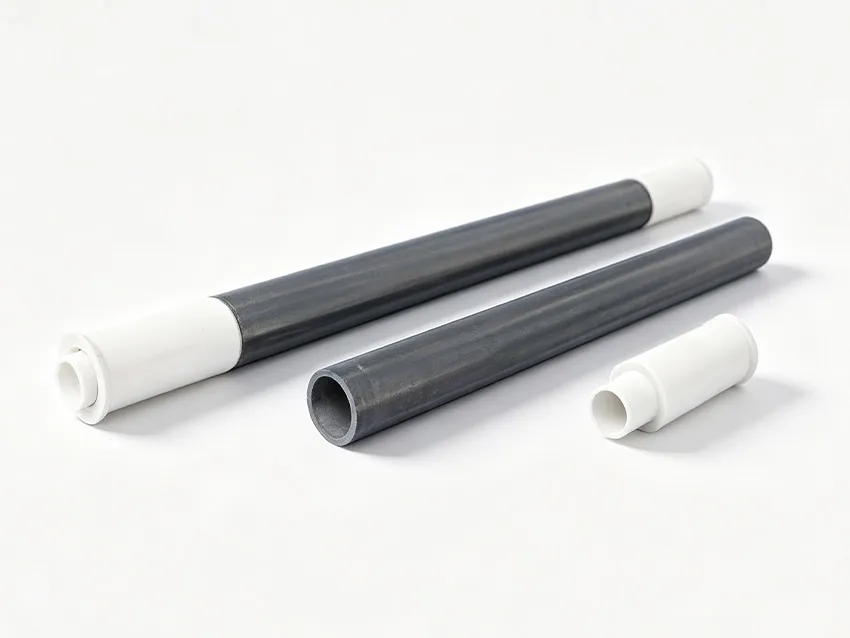
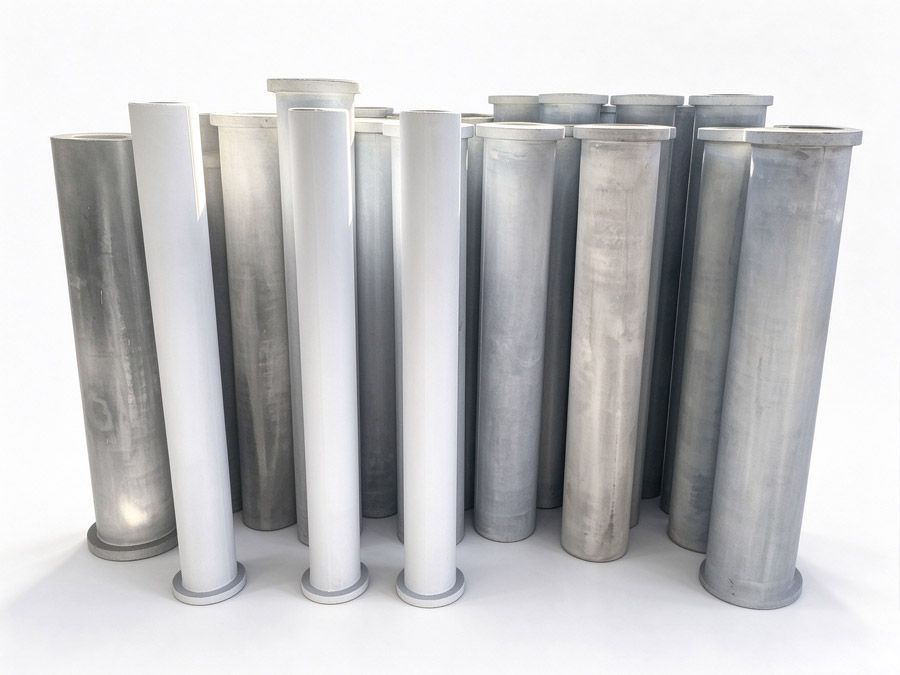
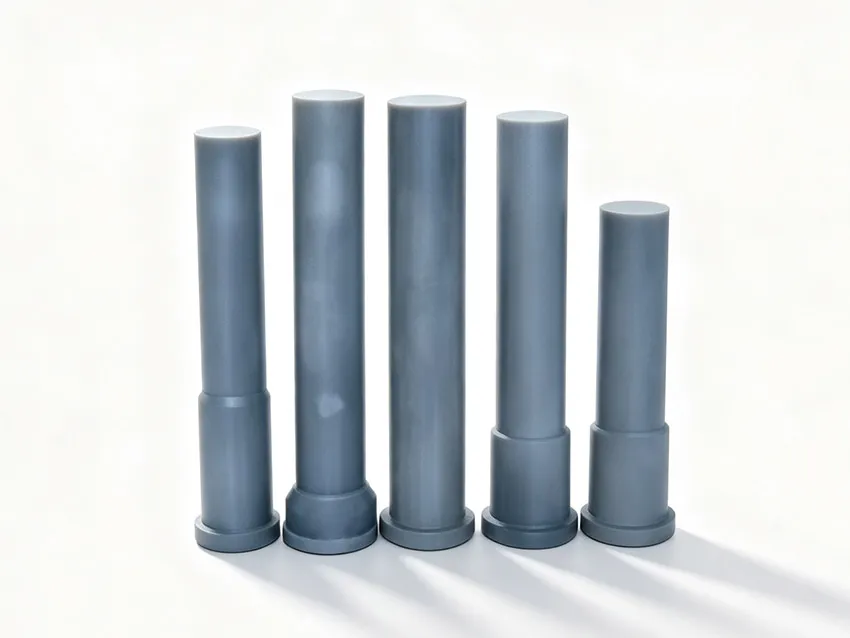
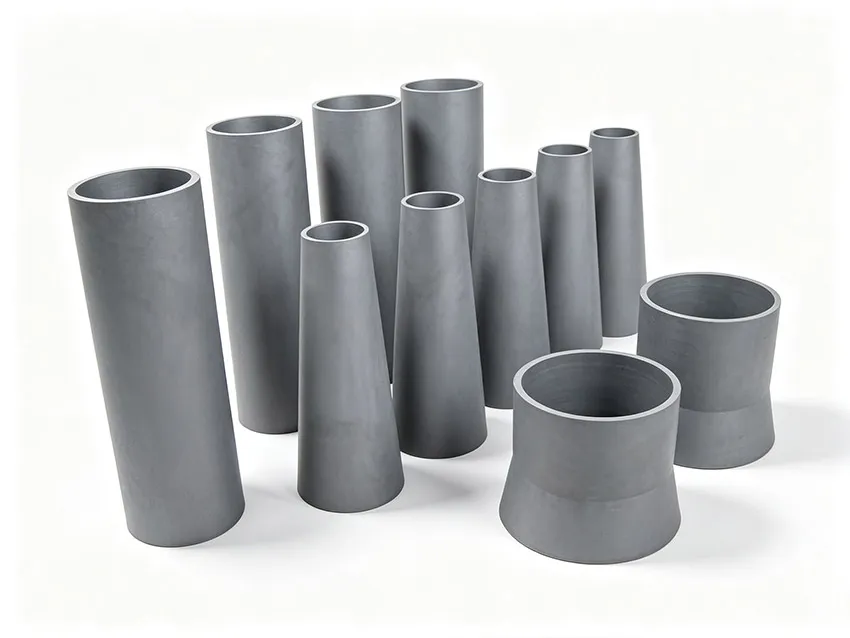
As silicon carbide rods serve as the core heating elements of high-temperature electric furnaces, the mechanical strength of silicon carbide rod protection tubes directly determines the operational safety and service life of the equipment. Under complex working conditions such as high temperature, oxidation and thermal shock, protection tubes with insufficient strength are prone to fracture or deformation, which may lead to production accidents. Therefore, establishing a scientific and rigorous strength testing system is a key part of quality control. This article systematically describes five core dimensions for testing whether the strength of protection tubes meets the qualification standards, helping manufacturers and users accurately control product quality.
1. Analysis of Raw Material Purity and Microstructure
The strength foundation of protection tubes lies in the quality of raw materials, and testing must start from the source. Chemical analysis is adopted to determine the purity of silicon carbide raw materials, ensuring that the content of free silicon and impurities is within the standard range. Impurities will form low-melting-point phases during sintering and greatly reduce high-temperature strength. Meanwhile, a scanning electron microscope is used to observe grain size and binder phase distribution. A dense and uniform microstructure is the prerequisite for high strength. If the raw material has excessive porosity or weakened grain boundaries, the strength of finished products cannot reach the standard even with perfect follow-up processes. Hence, incoming inspection of raw materials is an indispensable first checkpoint.
2. Room-Temperature Flexural Strength and Pressure Resistance Tests
Room-temperature mechanical properties are quantitative indicators for evaluating the basic load-bearing capacity of silicon carbide rod protection tubes. The three-point bending method shall be used to test flexural strength, with specimen dimensions and loading rate strictly complying with national standards. Test results shall not be lower than the minimum threshold specified by the industry. Combined with radial pressure resistance tests, the pressure exerted on the tube body by mounting fixtures is simulated to verify its damage resistance during mechanical assembly. These two tests can quickly screen out unqualified products with macroscopic defects such as internal cracks and delamination, provide basic support for subsequent high-temperature performance tests, and avoid waste of resources on invalid high-temperature experiments.
3. Verification of High-Temperature Creep and Thermal Shock Stability
Silicon carbide rods often work at temperatures above 1000°C, so qualification cannot be judged merely by room-temperature data. High-temperature creep tests must be carried out under simulated working conditions to record the deformation rate under specified load and temperature, ensuring no plastic deformation during long-term service. Thermal shock stability testing is equally important. Repeated rapid heating and cooling cycle tests are performed to check whether the protection tubes crack or suffer strength degradation. High-quality protection tubes can withstand dozens of temperature shocks while maintaining structural integrity. This indicator directly reflects the material’s ability to resist damage from thermal stress and serves as the core criterion distinguishing ordinary products from high-end ones.
4. Non-Destructive Testing and Dimensional Accuracy Recheck
Detecting hidden defects without damaging products is essential for batch quality control. Ultrasonic or X-ray non-destructive testing can accurately locate microcracks, inclusions and unsintered areas inside protection tubes. These defects will become fracture initiation points under stress. Precision measurement of outer diameter, wall thickness and straightness is conducted simultaneously. Excessive dimensional deviation will cause stress concentration and indirectly reduce the effective strength. The combination of non-destructive testing and dimensional recheck guarantees the integrity of delivered products as well as their matching with furnace structures, preventing abnormal damage caused by improper installation.
5. Batch Sampling Specifications and Implementation of Judgment Criteria
A scientific sampling plan forms the statistical basis for judging the qualification rate of an entire batch. AQL (Acceptable Quality Limit) shall be formulated in accordance with standards such as GB/T 2828, and sample size and acceptance number shall be determined based on batch quantity to eliminate the risk of missed inspection caused by random sampling. All test data shall be compared item by item with applicable national standards or customer technical agreements. A batch will be judged unqualified if any key indicator fails to meet requirements. Complete test records and a traceability system shall be established. When on-site problems occur, production and inspection records can be quickly traced back to continuously optimize process parameters and realize closed-loop quality management.
Conclusion
Testing the strength of silicon carbide rod protection tubes is a systematic project covering materials, mechanics, thermodynamics and statistics. Every link is essential, from microscopic analysis of raw materials to dual verification at room and high temperatures, and further to non-destructive testing and standardized sampling. Only by strictly implementing full-process testing standards can every delivered protection tube have reliable strength performance. Manufacturers and users should incorporate the above testing methods into their quality management systems, make decisions based on data, and effectively ensure the safe and stable operation of high-temperature electric heating equipment.
Recommended
-
31
2026-10
What are the advantages of using silicon carbide rod protection tubes in high-temperature furnaces?
-
31
2026-10
What is the corresponding relationship between the surface temperature of silicon carbide rods and the furnace temperature?
-
31
2026-10
How to Extend the Service Life of Silicon Carbide Rods in Industrial Kilns