

What is the corresponding relationship between the surface temperature of silicon carbide rods and the furnace temperature?
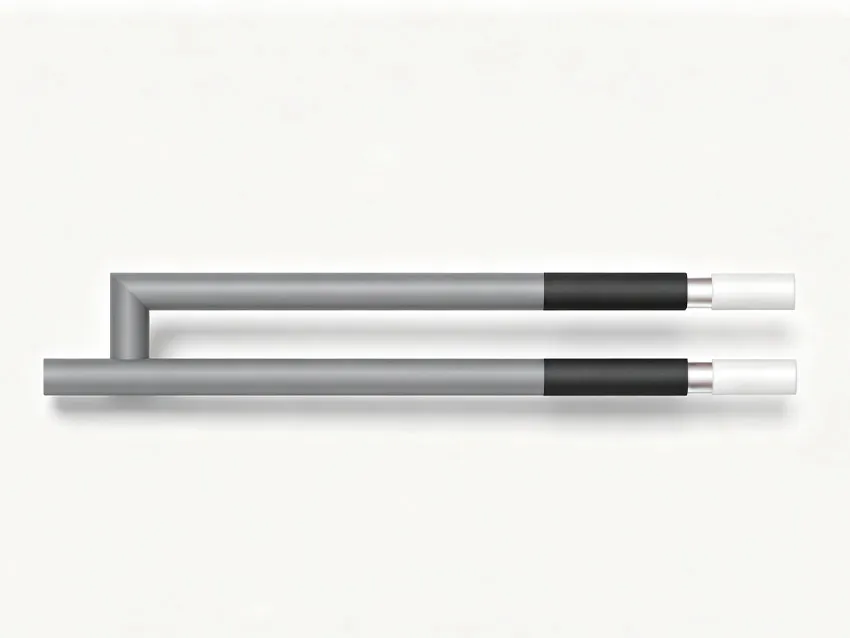
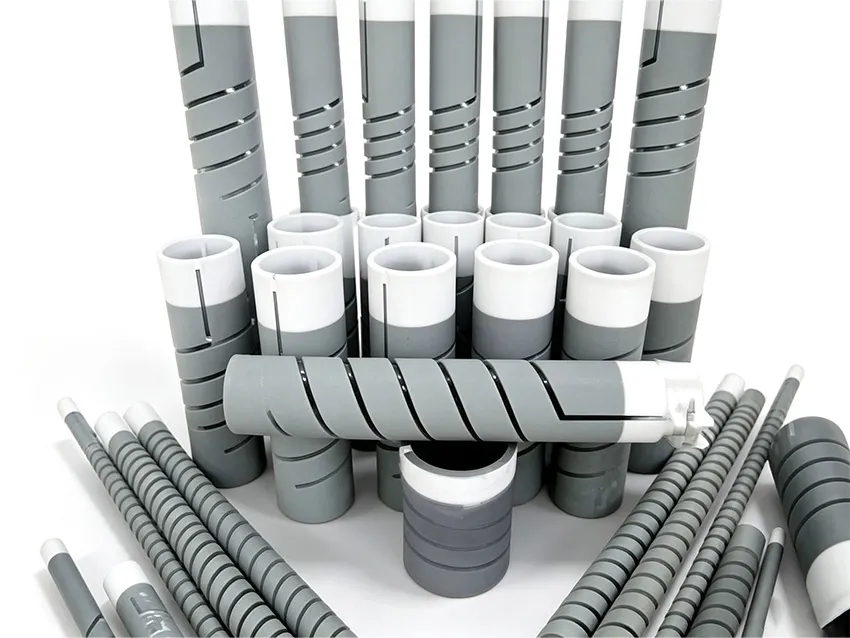
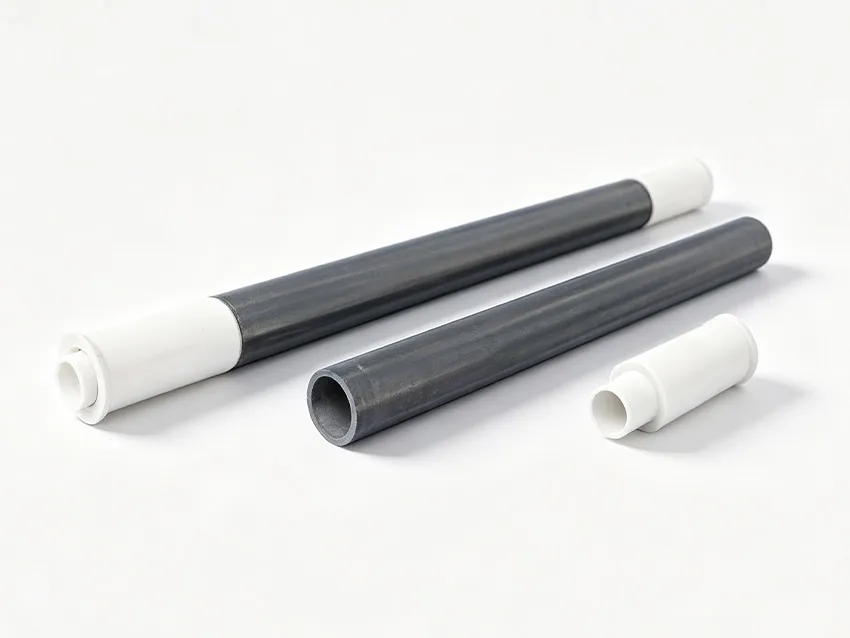
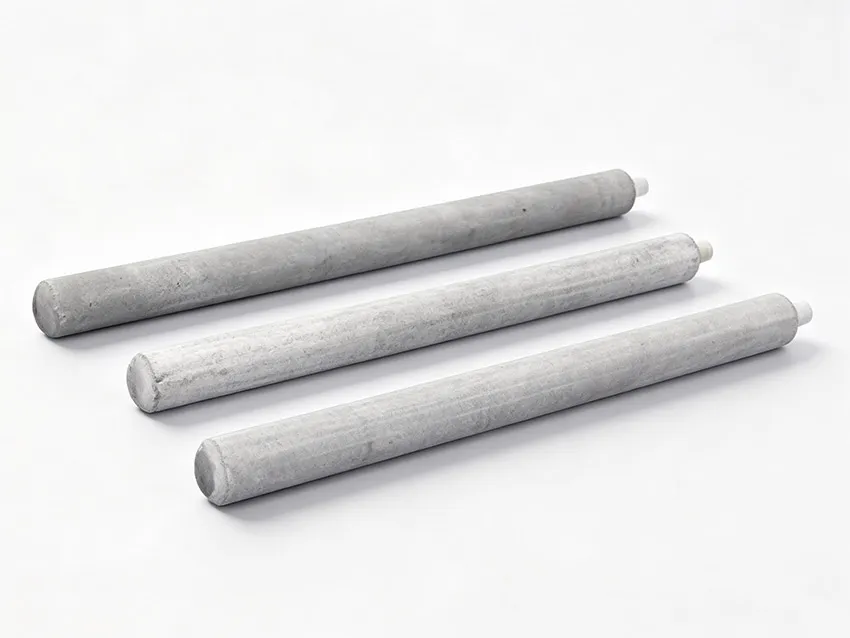
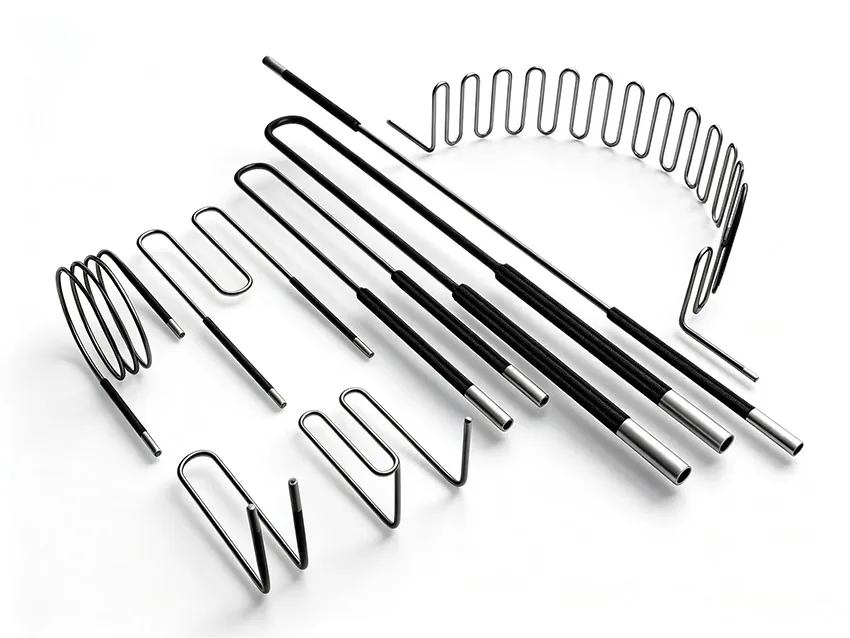
Silicon carbide rods are common high-temperature resistance heating elements for industrial electric furnaces. The corresponding relationship between their surface temperature and furnace chamber temperature (referred to as furnace temperature) directly determines the heating efficiency and service life of the elements. In practical applications, the two are not simply linearly equal. Instead, they are dynamically affected by multiple factors including surface load density, furnace atmosphere and power-on duration. An in-depth understanding of this relationship is the key to scientifically selecting heating elements and optimizing production processes.
1. Surface load density determines the temperature difference
The surface temperature of a silicon carbide rod is generally higher than the furnace temperature. The temperature difference mainly depends on the surface load density, which refers to the electric power borne per unit surface area of the heating section. At the same furnace temperature, the higher the load density, the larger the difference between the heating element surface temperature and the furnace temperature. Overloaded operation will cause a sharp rise in the rod surface temperature, rapid resistance increase, and further trigger thermal decomposition, surface spalling or even burnout, greatly shortening the element service life. Therefore, proper control of load density is the core to balance temperature difference and extend service life.
2. Reduce surface load as furnace temperature rises
For stable operation, the surface load density is obviously inversely proportional to the furnace temperature. As the furnace temperature increases, the maximum allowable surface load density must be reduced accordingly. For example, a relatively high load density is permitted at a furnace temperature of around 1000°C; however, the allowable load density needs to be greatly reduced when the furnace temperature rises to 1400°C. This restriction prevents accelerated aging of the element under high-temperature conditions caused by excessive power density.
3. Furnace atmosphere affects the maximum operating temperature
The chemical atmosphere inside the furnace changes the surface chemical reaction rate of silicon carbide rods, thus affecting their maximum allowable surface temperature. They can work for a long time at approximately 1600°C in dry air. Nevertheless, the maximum operating temperature must be significantly lowered in specific atmospheres such as water vapor, hydrogen, nitrogen or chlorine. For instance, the temperature should not exceed 1100°C in water vapor and should be kept below 1250°C in hydrogen. If the operating temperature is not reduced in harmful gas environments, chemical reactions will accelerate corrosion and decomposition on the element surface and lead to uncontrolled surface temperature.
4. Resistance aging causes surface temperature drift
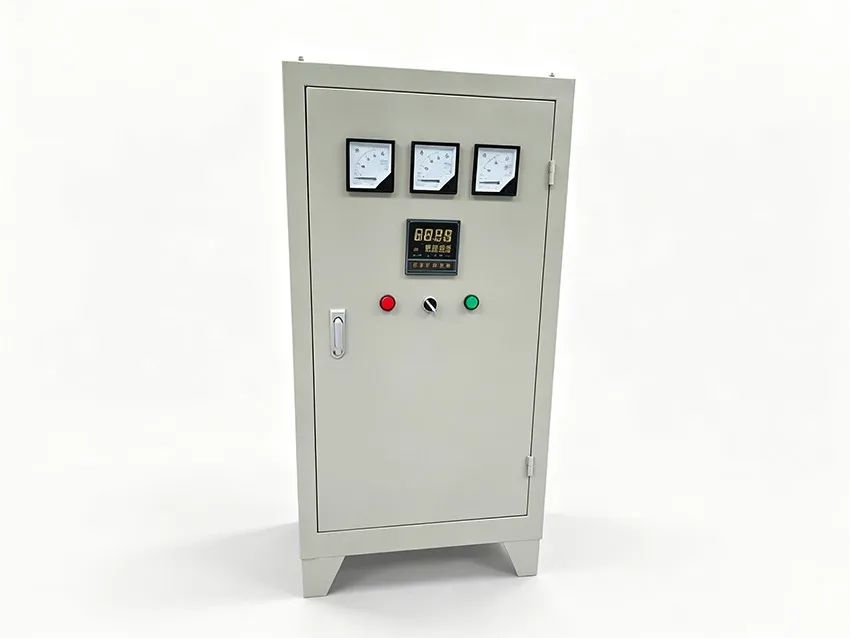
A "normal aging" phenomenon occurs during service, meaning the resistance rises slowly with operating time. With constant voltage, increased resistance reduces power output and impairs the stability of surface temperature. To maintain a constant furnace temperature, a voltage regulator is usually equipped to gradually raise the working voltage. However, continuous voltage increase with worsening aging may result in local overheating. When the resistance reaches about four times the initial value, the element is nearly at the end of its service life, and the surface temperature can hardly meet the process requirements.
5. Special temperature risks in the low-temperature range
Long-term operation of silicon carbide rods within the low-temperature range of 200°C to 800°C carries special risks. The silica oxide layer formed on the surface at this temperature range has a loose structure, which not only causes oxidative pulverization of the material but also leads to fracture under slight vibration due to differences in thermal expansion coefficients. It is therefore recommended to pass through this low-temperature zone quickly and maintain a stable operating temperature above 1000°C. Improper heat preservation in the low-temperature section hinders the formation of the surface protective layer, results in uneven surface temperature distribution and increases the risk of rod breakage.
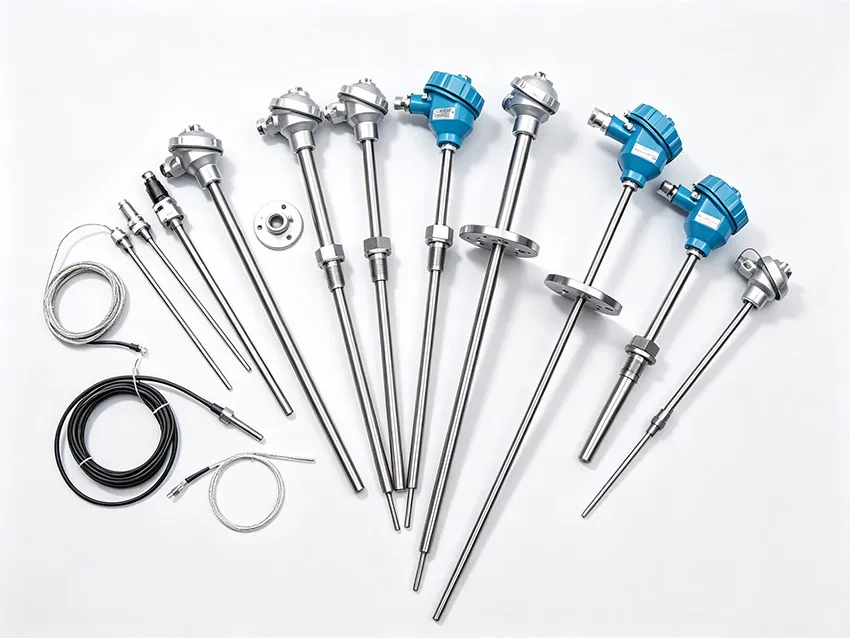
In summary, there is a dynamic balance between the surface temperature of silicon carbide rods and the furnace temperature, restricted by load density, ambient atmosphere and element aging degree. In actual production, overloaded operation must be avoided. The power density should be reasonably matched according to the target furnace temperature, and long-term retention in the low-temperature range must be strictly avoided. Only by fully mastering and following this corresponding relationship can the high-temperature performance be effectively utilized, ensuring heating quality while maximizing the service life of the elements.