

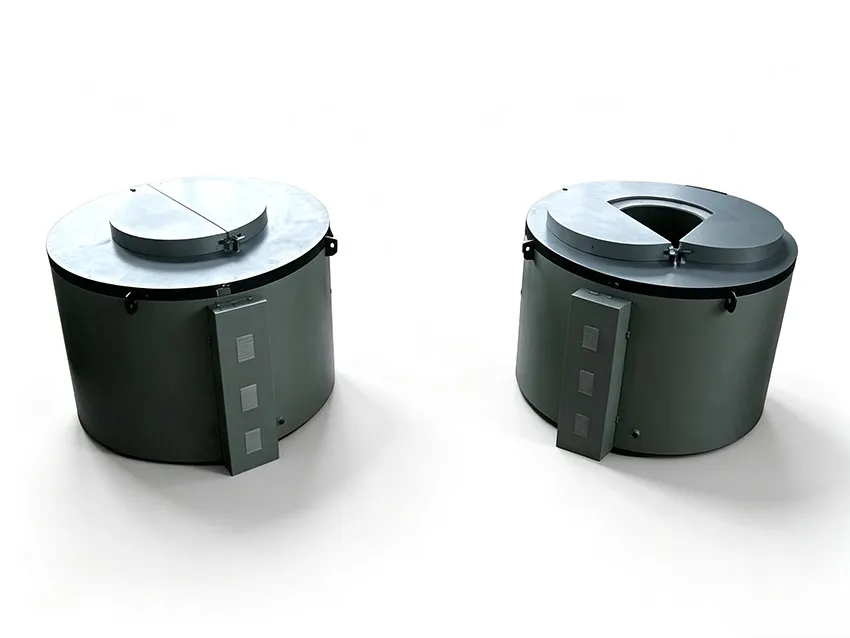

How to Extend the Service Life of Silicon Carbide Rods in Industrial Kilns
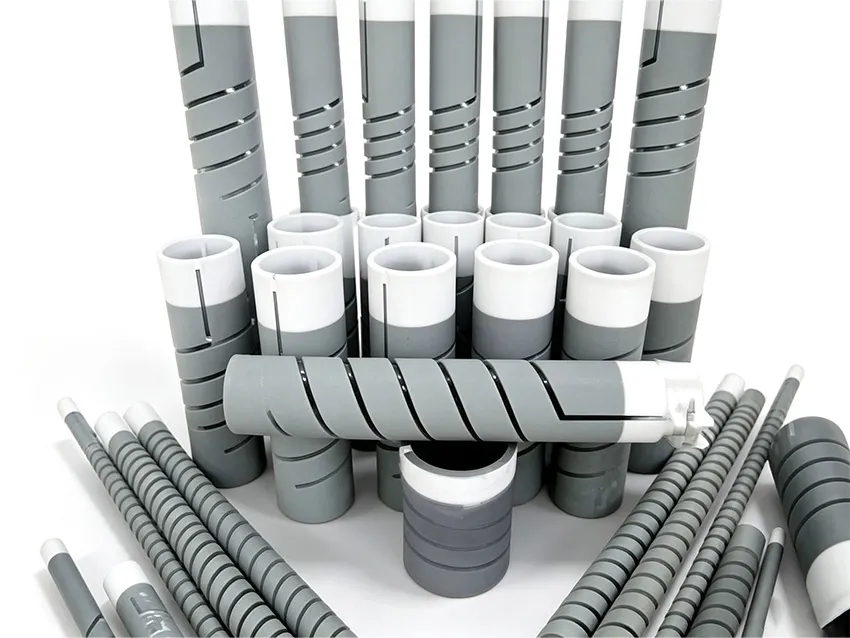
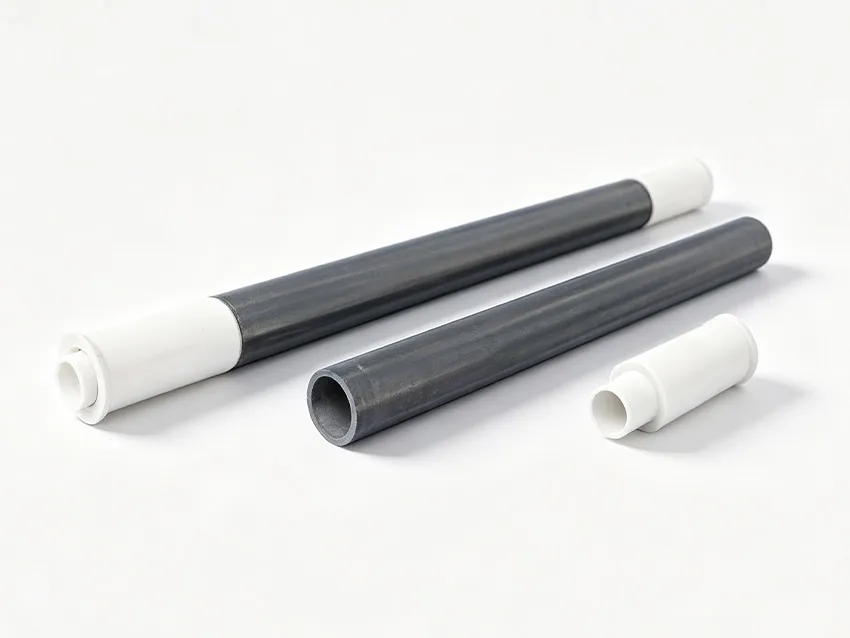
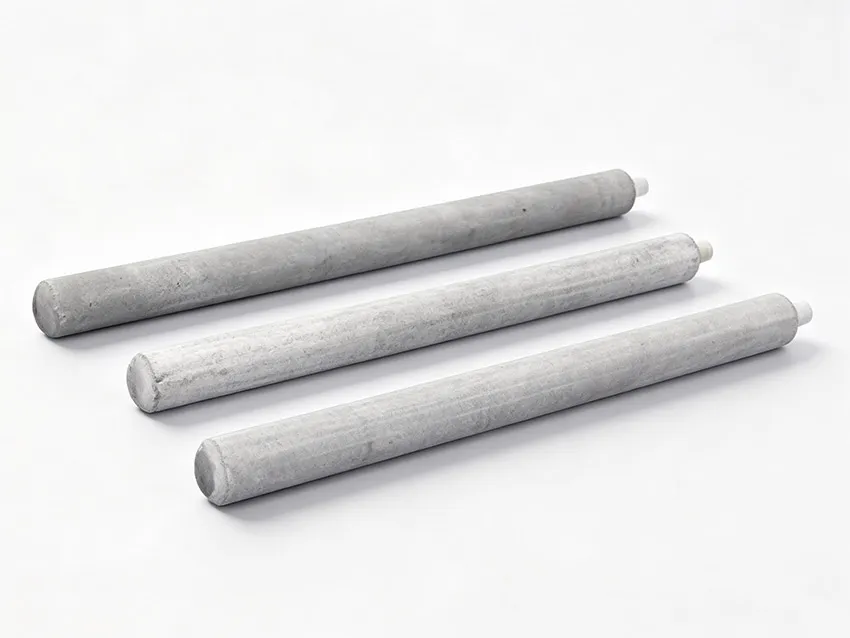
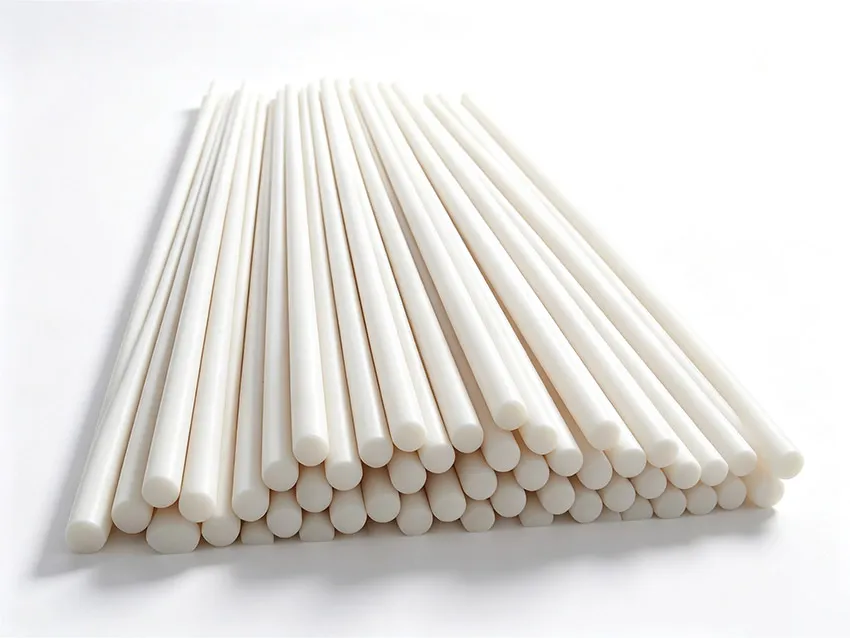
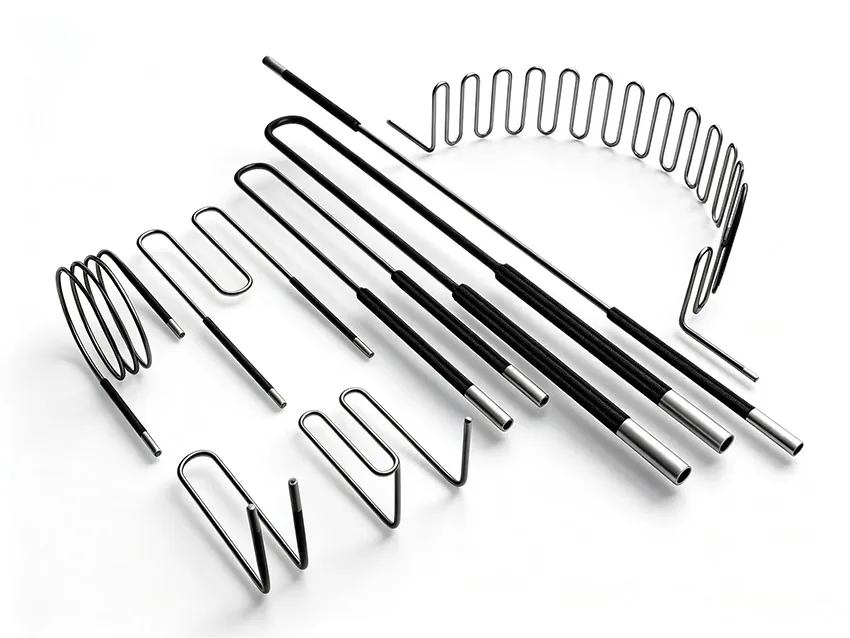
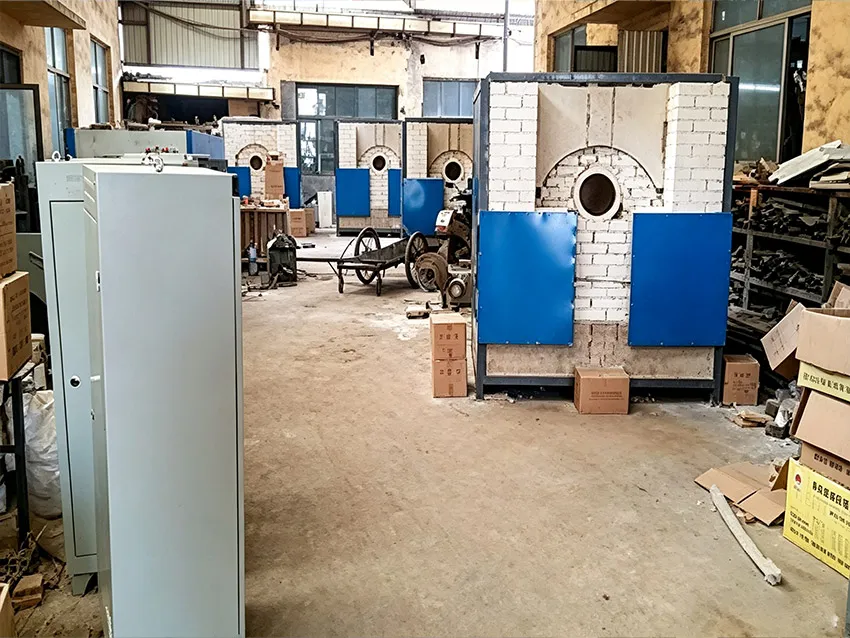
Silicon carbide rods are widely used high-temperature heating elements in industrial kilns, commonly applied in metallurgy, ceramics, glass, electronics and other industries. They can operate at temperatures above 1500°C and feature excellent high-temperature resistance, oxidation resistance and fast heating speed. Nevertheless, silicon carbide rods are relatively costly. Frequent replacement not only increases production costs but also impairs the continuous operation efficiency of kilns. Therefore, mastering scientific operation and maintenance methods to effectively extend their service life is of great significance for enterprises to reduce costs and improve efficiency. The following is a detailed explanation from five key aspects.
1. Proper Selection of Specifications and Models
Selection is the first step to prolong the service life of silicon carbide rods. Kilns differ in working temperature, chamber size and heating mode, so matching specifications must be selected according to actual working conditions. Focus on rated power, rod diameter, length of effective heating section and resistance range during selection. Excessive power tends to cause local overheating and accelerated aging; insufficient power fails to meet heating requirements, forcing the rods to run continuously at full load or even overload. It is recommended to fully communicate kiln parameters with suppliers before procurement to ensure high compatibility with furnace design.
2. Strict Control of Heating and Cooling Rates
Silicon carbide rods have a relatively high thermal expansion coefficient. Sharp temperature changes generate tremendous thermal stress inside the rods, resulting in cracks or even fracture. A standardized furnace baking and heating procedure must be adopted for first-time use, with the heating rate controlled within 100°C to 150°C per hour. Similarly, furnace shutdown and cooling shall proceed slowly to avoid rapid cooling. Frequent furnace start-stop operations should be minimized in daily production, as every unnecessary temperature cycle causes cumulative damage. Formulating reasonable production plans and reducing idle waiting time is an effective protection measure.
3. Optimize Kiln Atmosphere and Prevent Chemical Corrosion
Silicon carbide rods are prone to chemical reactions with certain atmospheres at high temperatures, which accelerates corrosion and aging. In an oxidizing atmosphere, a protective silica film forms on the rod surface. However, excessively high temperature or drastic atmosphere fluctuations will destroy this film. Loss rate rises significantly in reducing atmospheres or environments containing alkali metal vapors. Where the process permits, maintain a stable weakly oxidizing atmosphere inside the kiln. For special processes requiring corrosive atmospheres, surface coating protection or specially treated corrosion-resistant silicon carbide rods can be adopted.
4. Standardize Installation and Ensure Good Electrical Contact
Installation exerts a profound influence on service life. Ensure the rods are concentric with the holes on the furnace wall during installation and reserve sufficient thermal expansion clearance to prevent mechanical stress caused by extrusion between expanded rods and the furnace wall. Aluminum foil or braided copper strips at the wiring ends shall fit tightly, and clamps must be fastened to guarantee reliable electrical contact. Poor contact increases resistance at wiring points and triggers local overheating, which may burn out terminals or break rods in severe cases. Inspect wiring clamps whenever replacing rods; clean or replace them promptly if oxidation or looseness is found. When multiple rods are connected in parallel, select rods with similar resistance values to avoid overload of individual rods due to uneven current distribution.
5. Establish Regular Inspection and Rotation Management System
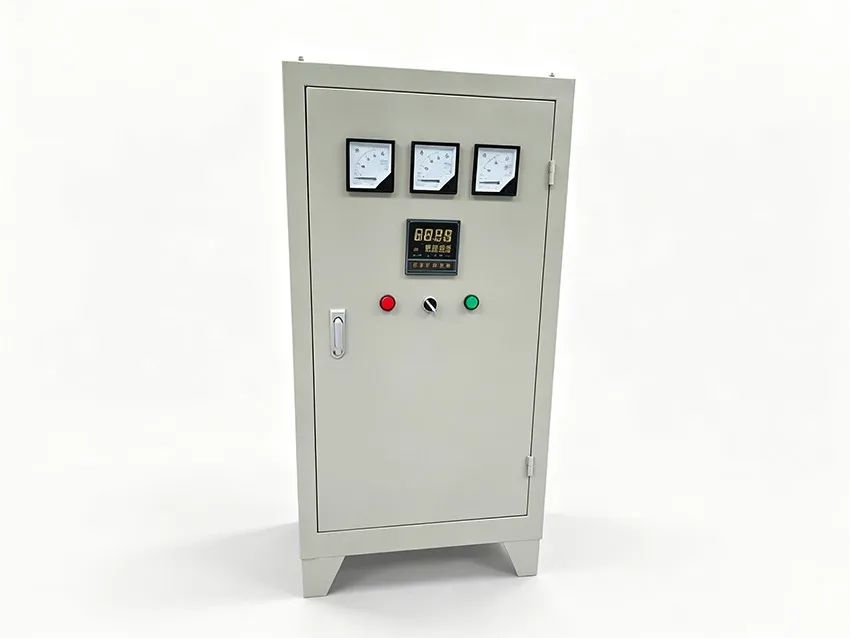
Scientific maintenance management is essential to extend the overall service life of silicon carbide rods. Set up a regular inspection system, focusing on checking the rod surface for cracks, deformation, local whitening or abnormal redness, and measuring operating voltage and current to monitor resistance changes. When the resistance rises to a certain proportion of the initial value, the rod is obviously aged; adjust power supply parameters or arrange replacement in a timely manner. For kilns equipped with multiple rods, implement regular position rotation to achieve uniform heating and synchronous aging, thus extending the comprehensive service life of the whole set.
In summary, extending the service life of silicon carbide rods in industrial kilns is a systematic project covering selection, operation, atmosphere control, installation and maintenance. Proper selection lays the foundation, standardized operation is the key, and scientific management provides guarantee. Enterprises shall formulate complete operation and maintenance specifications combined with their own process characteristics, strengthen operator training and implement every measure. Only through refined full-process management can the performance advantages be maximized, production costs reduced, and the economy and stability of kiln operation improved.
Recommended
-
31
2026-10
What are the advantages of using silicon carbide rod protection tubes in high-temperature furnaces?
-
31
2026-10
What is the corresponding relationship between the surface temperature of silicon carbide rods and the furnace temperature?
-
31
2026-10
How to wire silicon carbide rods correctly for stable heating operation?